

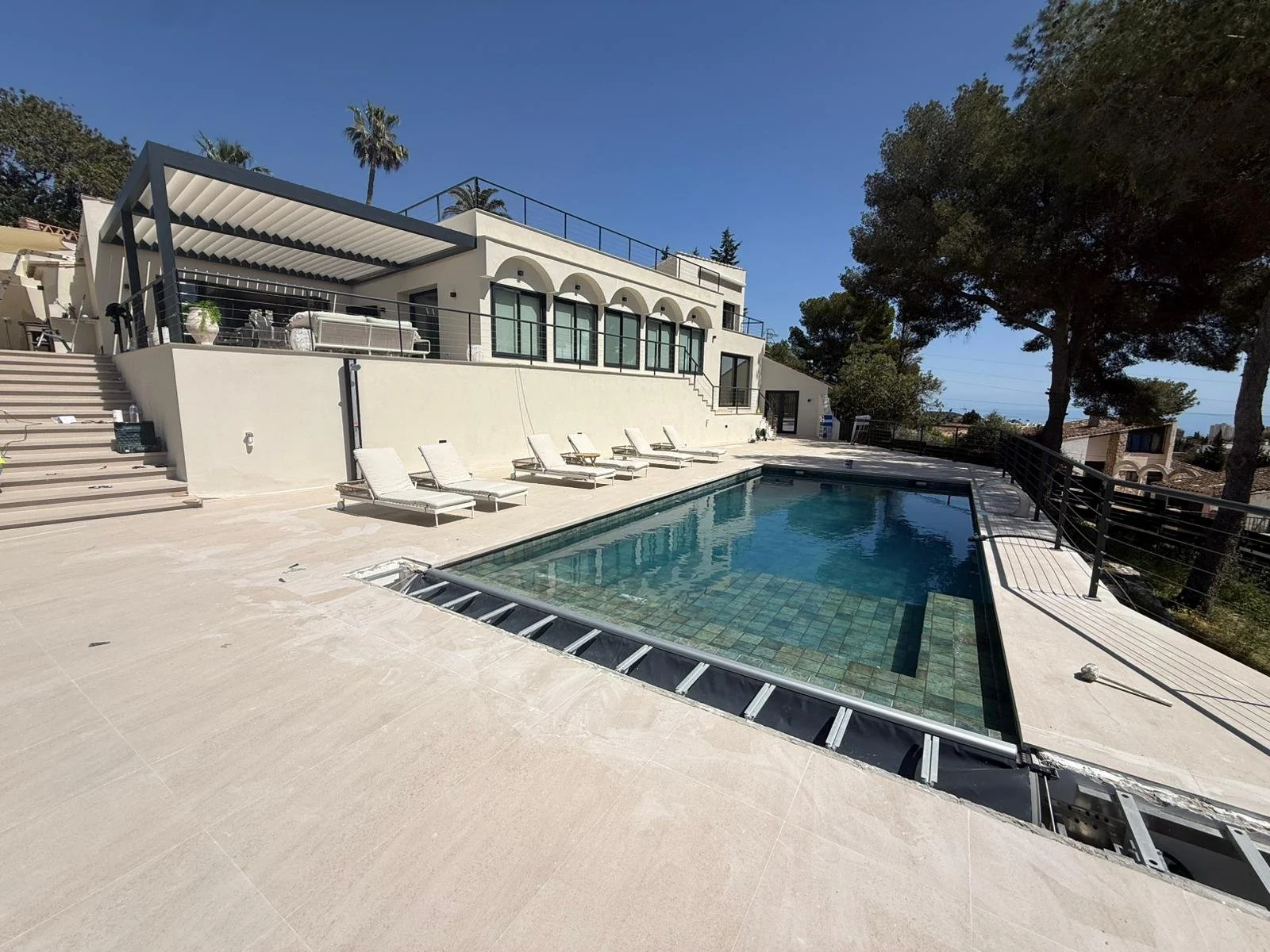
Renovating a villa in Marbella can change not only how the property looks, but how well it works for everyday life. An older home may occupy an excellent location, offer generous proportions and benefit from established gardens, yet still need a more practical layout, updated installations, better insulation and a stronger connection between the interior, terraces and pool.
A successful villa renovation involves far more than choosing new finishes. It is a coordinated construction project that brings together design, technical surveys, licences, budgeting, procurement and site management. For international owners who may spend much of the renovation outside Spain, that coordination becomes even more important.
LT Construction has worked on residential properties across Marbella, Málaga and the Costa del Sol for more than 20 years. We help owners develop an initial idea into a clearly defined project and manage the work through each stage. If you are still considering what may be possible, our overview of complete construction and renovation services is a useful starting point.
What does a complete villa renovation include?
The word “renovation” can mean anything from replacing a kitchen to rebuilding most of a property while retaining its original structure. Defining the scope accurately is the first step towards receiving a useful quotation and setting a realistic programme.
A complete or integral villa renovation often includes several of the following:
Reconfiguring the interior layout to create more open and practical living spaces.
Replacing electrical, plumbing, drainage and air-conditioning systems.
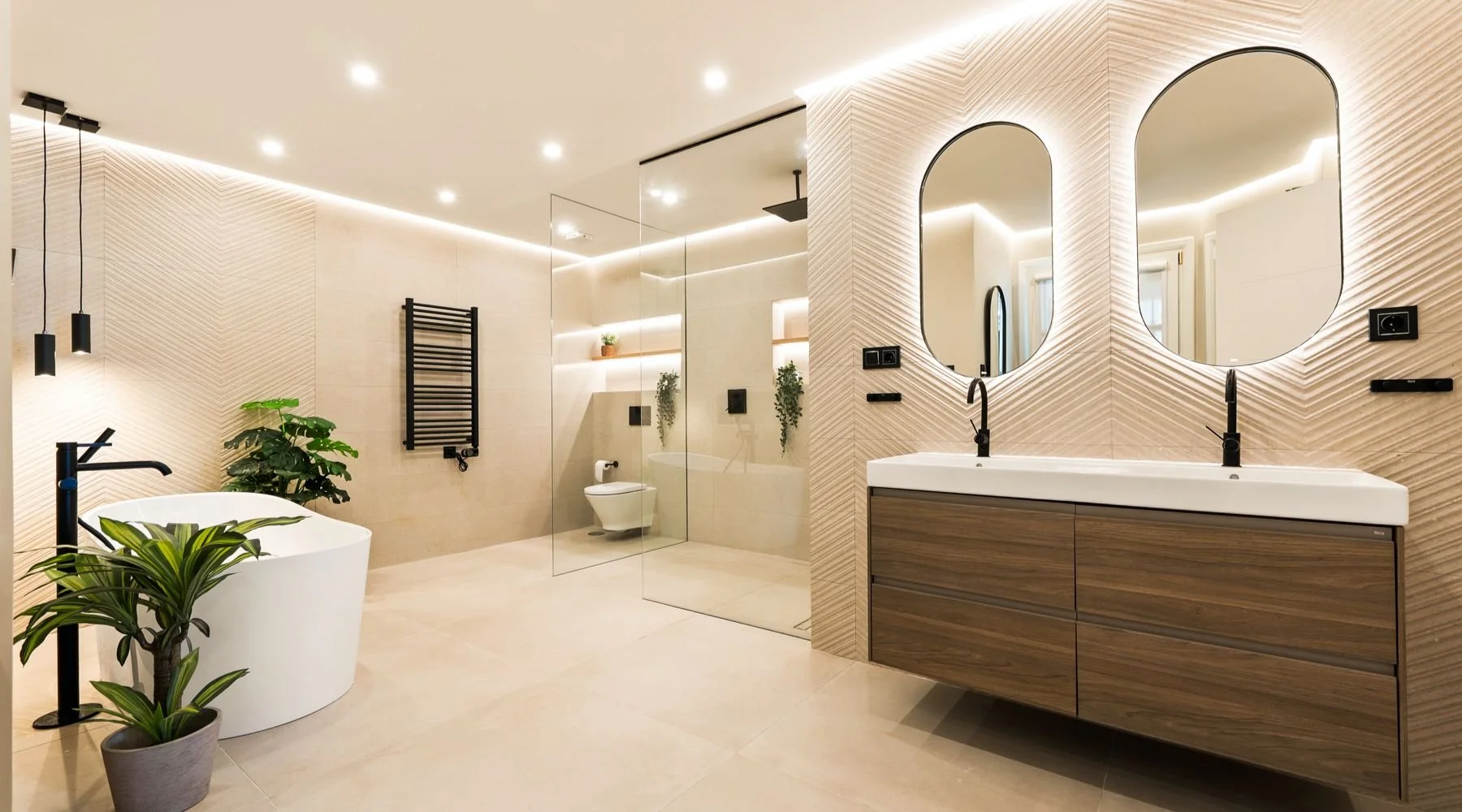
Installing a new kitchen, bathrooms, flooring, lighting and joinery.
Improving windows, doors, insulation and energy performance.
Repairing roofs, terraces, damp damage or waterproofing failures.
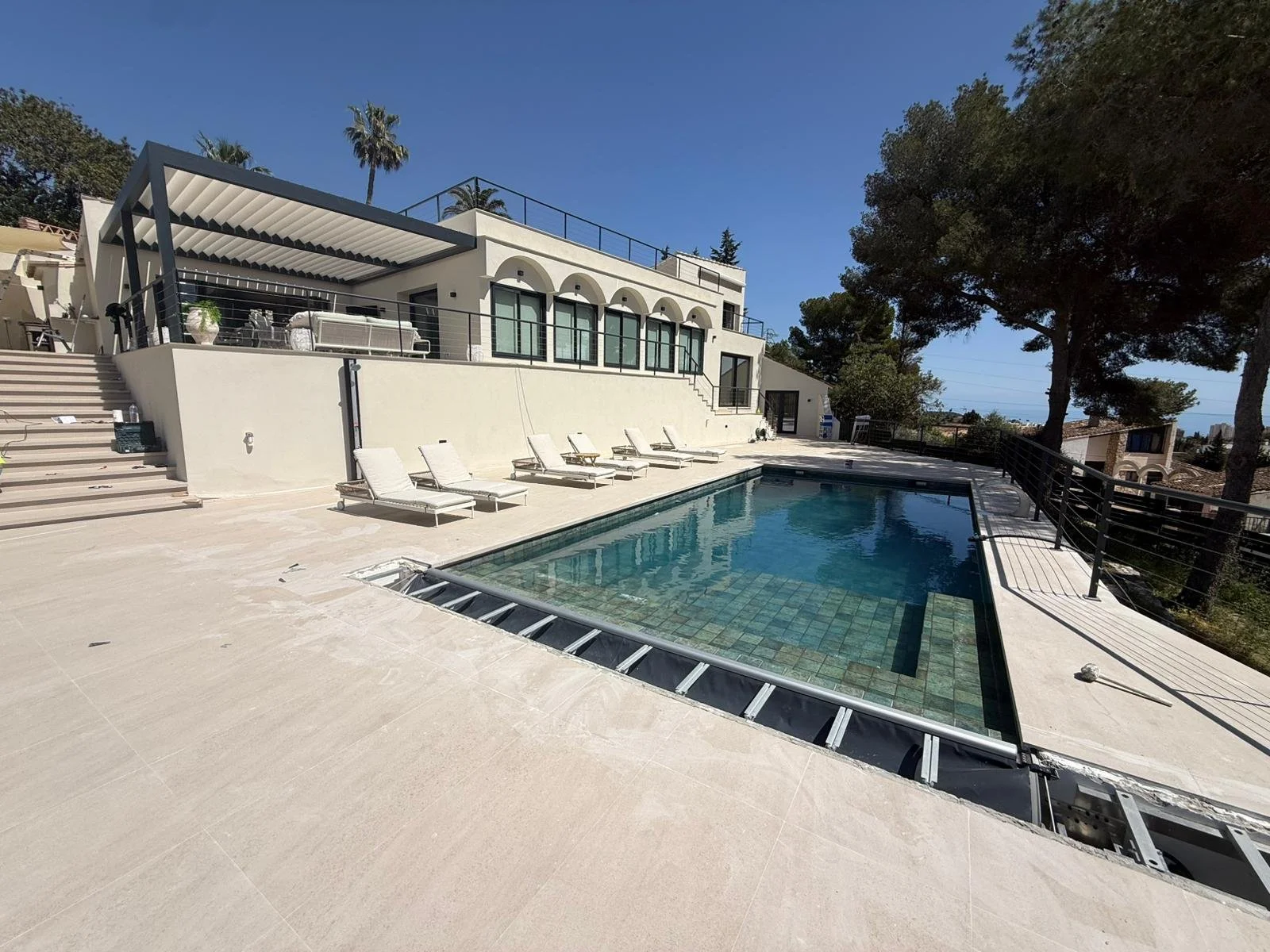
Renovating the swimming pool and surrounding terraces.
Redesigning gardens, entrances, driveways and outdoor living areas.
Coordinating structural work, extensions or changes to external openings.
Managing these elements under one coordinated plan is usually more effective than renovating individual rooms without considering the property as a whole. A kitchen redesign, for example, may affect the electrical supply, plumbing, air conditioning and lighting. Moving a wall can alter flooring, ceilings and circulation well beyond the room itself.
Our property and garden reforms service explains why the interior, pool, terraces and landscape should be planned as parts of the same home rather than as separate projects.
How much does it cost to renovate a villa in Marbella?
There is no single rate that can reliably predict the cost of every villa renovation in Marbella. Two properties with the same floor area may require very different budgets. The condition of the structure, access to the site, the chosen finishes and the extent of the installations all influence the final figure.
It is more useful to divide the budget into five main areas.
1. Surveys, design and technical work
Before the construction work can be priced properly, the team may need measured drawings, structural advice, architectural design, engineering calculations or specialist surveys. With older properties, there can also be differences between the building as it stands and the plans or property documents available.
A detailed property and building survey can reveal visible defects and help determine which elements should be repaired instead of simply being concealed behind new finishes.
2. Construction and installations
This is usually the largest part of the budget. It may cover demolition, structural work, walls, roofing, waterproofing, plumbing, electrics, HVAC, flooring, decoration and external works.
A project that replaces all the property’s installations cannot be compared fairly with a cosmetic refurbishment. Even when the completed rooms appear similar, the work hidden behind the walls and floors may be very different.
3. Kitchens, bathrooms and finishes
The chosen specification has a substantial effect on cost. Bespoke joinery, large-format stone, specialist lighting, home automation and imported fittings involve different budgets and lead times from standard products.
Important selections should be made early enough for the quotation to reflect what the owner actually expects. Leaving them undecided can result in provisional allowances that make the initial price less informative.
4. Professional fees, licences and municipal charges
Depending on the proposed work, the budget may also need to cover architects, technical specialists, municipal fees and taxes. Marbella Town Hall publishes an official list of urban-planning licences and application documents, but the correct procedure must be confirmed for the individual property and scope.
5. Contingency and client changes
Renovation work sometimes reveals conditions that could not have been inspected before walls or floors were opened. Owners should agree in advance how unforeseen work and requested changes will be recorded, priced and approved.
A clear change-control process is more valuable than an unrealistically low starting figure. It gives the client a reliable way to understand why the budget is changing and to approve additional work before it proceeds.
The most dependable cost plan is based on drawings, an agreed specification and a detailed scope of work. Any price provided before those elements are in place should be treated as an early indication, not as a final construction budget.
Which permits are required for a villa renovation in Marbella?
The permission required depends on both the property and the proposed work. Decorative changes are not treated in the same way as structural alterations, extensions, demolition, new swimming pools or significant changes to the exterior.
Marbella’s municipal procedures include building licences and responsible declarations, with different documents required for different types of work. As local requirements and planning conditions can change, owners should confirm the current procedure with their architect or technical adviser and the Marbella Urban Planning Department.
Before construction begins, the project team should establish:
Which parts of the existing property are legal and correctly documented.
Whether the proposal changes its structure, volume, use or external appearance.
Which drawings and technical reports must be prepared.
Whether approval from the community of owners is required.
Whether specific planning or heritage conditions affect the property.
Which permissions and documents must be in place before work can legally start.
LT Construction can assist with the practical building process and coordinate with the appropriate professionals. You can also read our information about building licence applications.
A realistic timeline for a villa renovation
A complete renovation needs to be planned as a series of connected stages. Beginning demolition before the design and specification are sufficiently developed often leads to delays and costly decisions being made on site.
Stage 1: Survey and brief
The existing villa is inspected and measured. The owner explains how the property will be used, which problems need to be resolved and which features matter most.
This is also the right time to discuss the available budget, the expected level of finish and any dates that may affect the programme.
Stage 2: Design and scope
The layouts, materials, lighting, installations and external works are developed into a coordinated proposal. As this information becomes clearer, the construction team can prepare a more accurate price and programme.
Stage 3: Permissions and procurement
The relevant applications are prepared while products with longer lead times are identified. Windows, bespoke joinery, specialist stone, kitchens and technical equipment can all affect the critical path when they are selected too late.
Stage 4: Construction
Work will generally move from demolition and structural intervention to first-fix services, walls and waterproofing. Finishes, final installations and decoration follow.
Exterior work should be coordinated with the interior programme. Leaving terraces, drainage, gardens or the pool until the end can create avoidable disruption and conflicts between trades.
Stage 5: Testing, snagging and handover
The installations are tested, defects or incomplete items are recorded, and the remaining work is finished. At handover, the owner should receive the relevant documentation and instructions, together with a clear explanation of maintenance and after-sales support.
The total duration will depend on the scale of the renovation, the licensing route, the timing of design decisions, product lead times and anything discovered after the existing building is opened up. Ask the contractor for a programme prepared specifically for the project, with the main dependencies clearly shown, rather than relying on a general promise.
Common problems found when renovating villas on the Costa del Sol
Marbella’s climate makes outdoor living possible for much of the year, but it also places particular demands on buildings. A renovation provides an opportunity to correct existing faults instead of covering them with new decoration.
Common problems include:
Water entering through flat roofs and terraces.
Poor drainage around gardens, retaining walls and driveways.
Damp or salt-related deterioration in properties close to the coast.
Electrical systems with insufficient capacity for modern kitchens, HVAC and pool equipment.
Inefficient windows and poorly controlled solar gain.
Ageing plumbing, low water pressure or concealed leaks.
Pool waterproofing and equipment that need to be renewed together.
Previous alterations that do not correspond with the available documents.
Our guide to problems associated with flat roofs and roof terraces looks more closely at why preparation and waterproofing are so important in local properties.

Managing a turnkey renovation from abroad
Many property owners live outside Spain while work on their Marbella villa is underway. Distance does not have to mean losing control of the project, but it makes good communication and organised decision-making essential.
Before appointing a renovation company, agree:
Who will be the owner’s main point of contact.
How often progress reports, photographs or video calls will be provided.
How materials, finishes and samples will be approved.
How requested changes will be priced and authorised.
How delays or technical problems will be communicated.
When the owner will need to visit the property.
What is included in the handover and after-sales process.
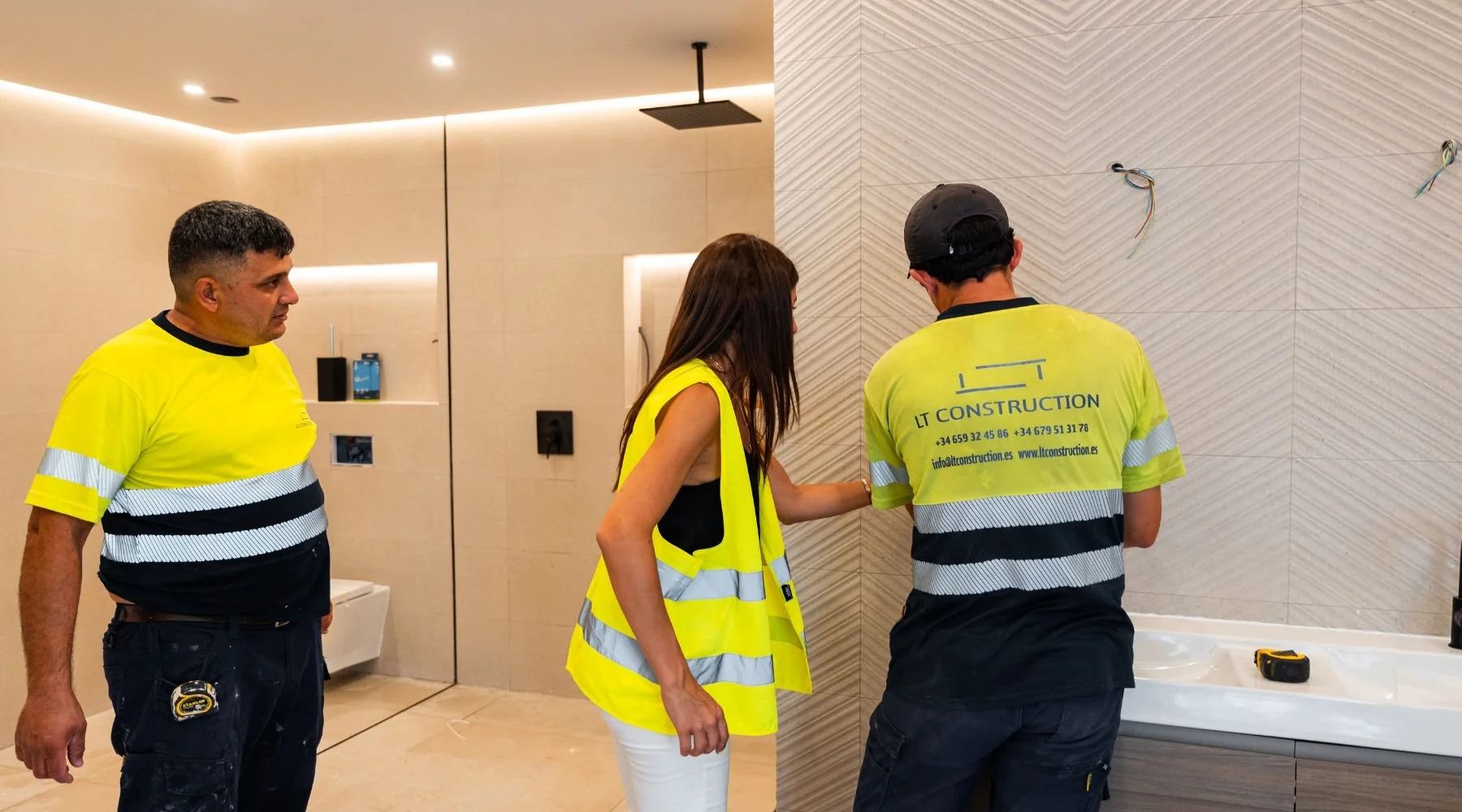
LT Construction regularly manages projects for owners whose properties in Spain are second homes. Our construction services include project coordination and regular communication throughout the work.
How to choose a renovation company in Marbella
A capable contractor should make the project clearer before asking the client to commit. Do not compare quotations by looking only at the total price. First check whether they are based on the same drawings, quantities, products, assumptions and exclusions.
Ask each potential contractor:
Who will manage the project from day to day?
What is included in the quotation, and what is specifically excluded?
How are provisional items and client changes handled?
Which parts of the design must be completed before construction starts?
How are subcontractors, quality checks and site safety managed?
Can the company show comparable completed projects?
How will progress be documented if the owner is abroad?
What happens during snagging and after-sales support?
Project photographs are helpful, but consistency across several completed properties says more than a single carefully photographed room. You can browse our villa renovation and construction gallery and read about previous clients’ experiences in our testimonials.
Planning your villa renovation
A well-managed home renovation in Marbella starts with an honest assessment of the existing building, a clearly defined scope and a team able to coordinate design, licences, construction and communication.
Taking the time to prepare these elements helps protect the budget and gives the construction team a sound basis for delivering the required quality of execution.
If you are considering a complete villa renovation in Marbella or elsewhere on the Costa del Sol, contact LT Construction to discuss the property, your priorities and the next steps.

Frequently asked questions about villa renovation in Marbella
Do I need a building licence to renovate a villa in Marbella?
It depends on the scope of the project. Structural changes, extensions, demolition and significant alterations to the exterior generally require a different level of documentation from decorative work.
Before starting, confirm the current requirements for the property with the appropriate architect or technical professional and Marbella Town Hall.
How much does a complete villa renovation cost?
The cost depends on the condition of the existing building, the structural work required, the installations, floor area, specification, access and external works.
A reliable quotation should be based on drawings, an agreed specification and a clearly defined scope—not on a generic online price per square metre.
How long does a full villa renovation take?
The programme depends on the development of the design, the licences required, product lead times and the complexity of the work.
Ask for a project-specific schedule covering preparation, construction, testing and handover. It should also identify the decisions the owner will need to make and when those decisions are required.
Can a Marbella renovation be managed while I am abroad?
Yes. Agree on one main point of contact, a regular reporting schedule, a written process for approving changes and clear deadlines for decisions.
Photographs, video calls and properly documented approvals allow an overseas owner to remain involved throughout the project.
Should I renovate before moving into the property?
For an integral renovation, it is normally more practical to complete disruptive structural work and replace the main services before moving in.
The right approach depends on the scale of the project and whether part of the villa can remain safely separated from the construction area.
What should be included in a renovation quotation?
The quotation should identify the scope, quantities or assumptions, materials, exclusions, provisional items, payment stages and the process for handling changes.
Two quotations can only be compared fairly when they are based on equivalent information.


